
A New Gateway to the Gulf: What Etihad's Mallorca Route Means for the Island
For decades, Mallorca's tourism story has been largely shaped by its European markets. Visitors from Germany, the United Kingdom, Scandinavia, and mainland Spain have long formed the backbone of the island's visitor economy.
This summer, however, a new chapter begins.
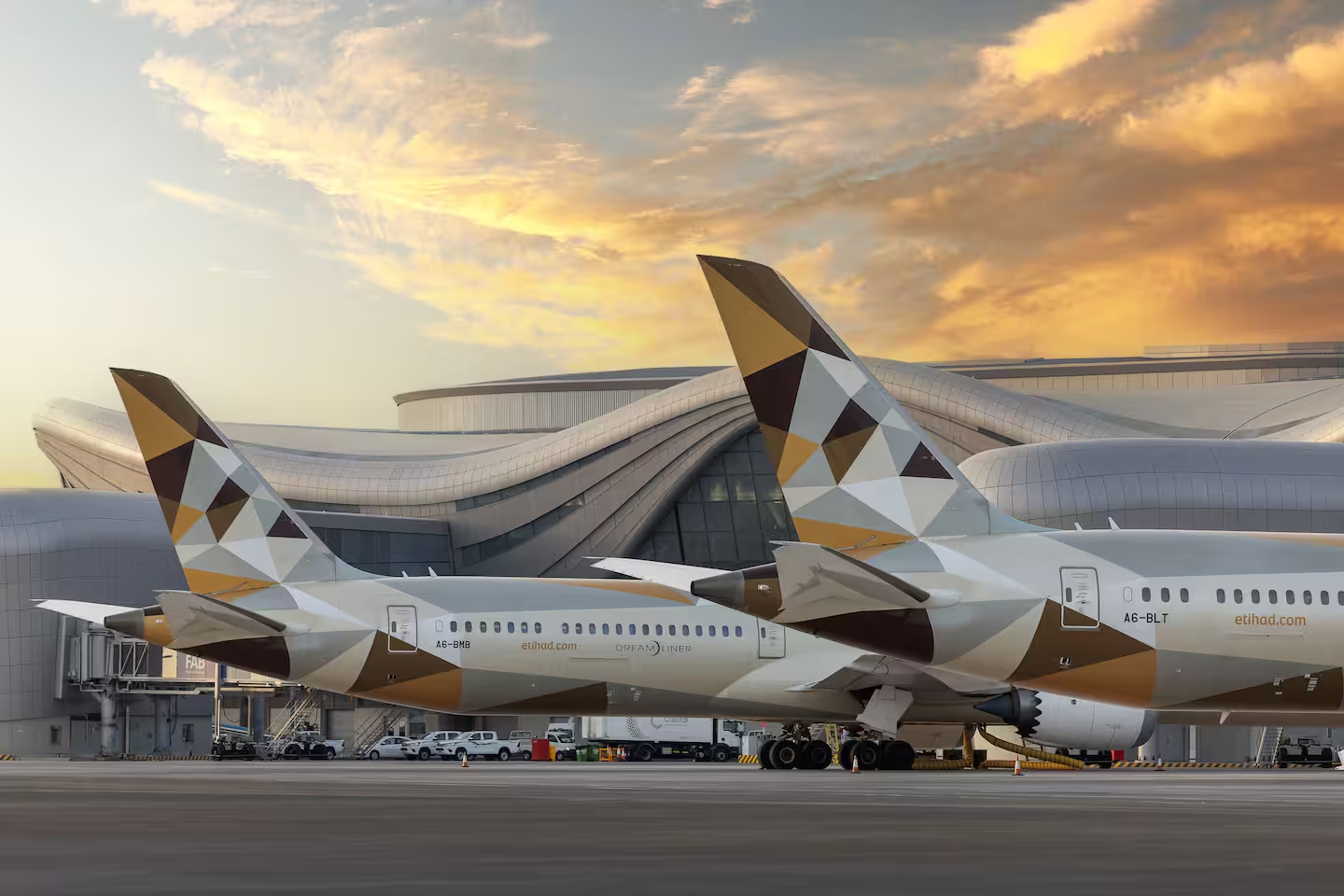
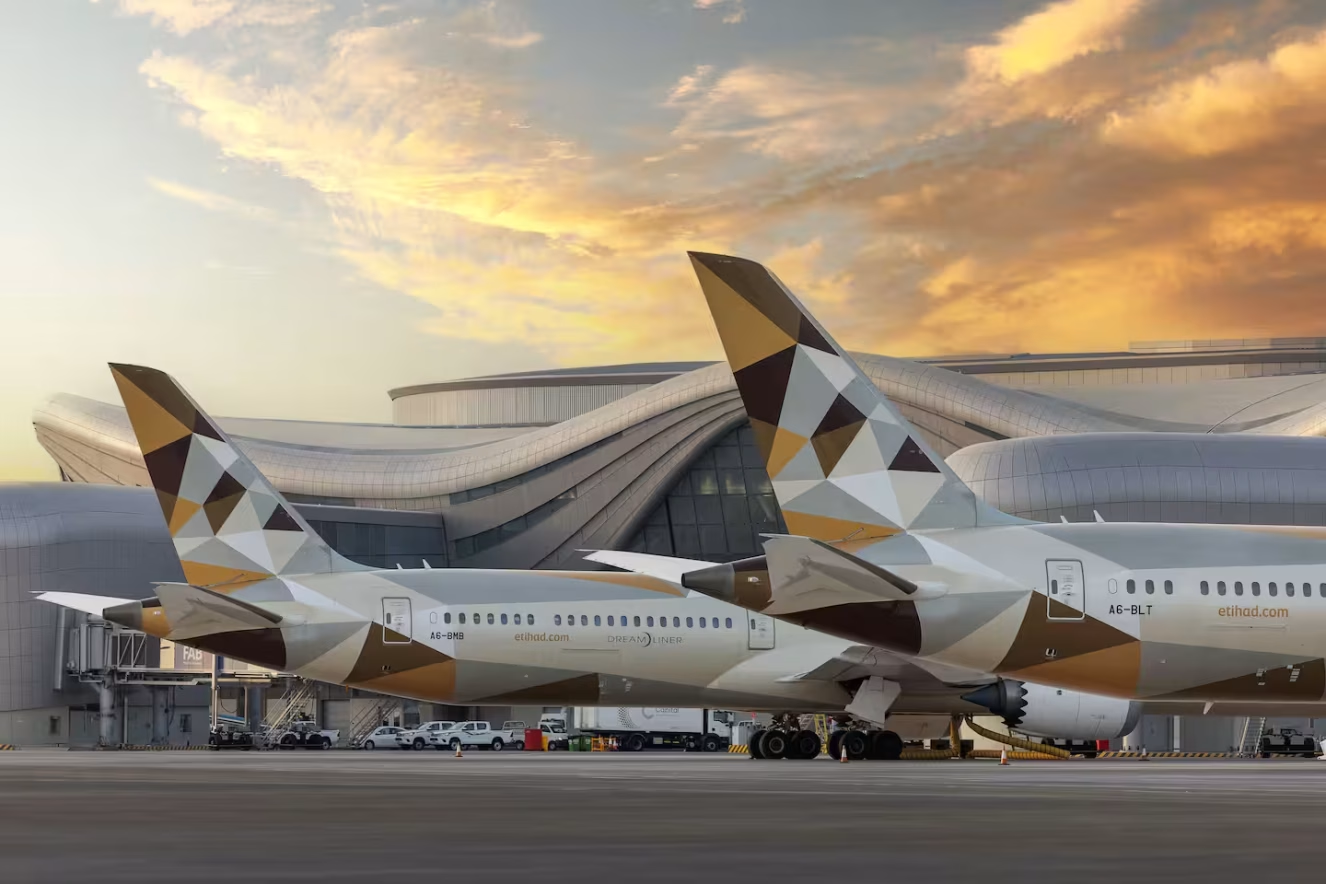
With the launch of Etihad Airways' direct service between Abu Dhabi and Palma de Mallorca, the island gains its first direct air connection to the United Arab Emirates, creating a new bridge between Mallorca and one of the world's most dynamic outbound travel markets. Operating three times weekly throughout the summer season, the route effectively places Mallorca within a single flight of the Gulf and significantly raises the island's profile among travellers across the Middle East.
At first glance, it may appear to be simply another seasonal route. In reality, it represents something much more significant: visibility.
More Than a Flight
Direct air connectivity does more than move passengers from one destination to another. It changes awareness.
For many travellers across the Gulf region, Mallorca has traditionally been less familiar than destinations such as Paris, London, Switzerland, or the Italian lakes. The new direct connection places the island firmly on the radar of travellers who may never have previously considered Mallorca as part of their European travel plans.
The route also provides convenient access not only for travellers originating in the UAE, but for passengers connecting through Abu Dhabi from Saudi Arabia, Qatar, Kuwait, Bahrain, Oman, and beyond.
Suddenly, Mallorca is closer to an audience of millions.
The Island of Many Faces
The Gulf region has become one of the world's most influential luxury travel markets. Travellers from the GCC are known for longer average stays, higher discretionary spending, strong interest in family travel, and a growing appreciation for authentic cultural experiences. While iconic cities and established European destinations continue to attract attention, there is increasing demand for places that offer a slower pace, privacy, nature, gastronomy, and a strong sense of place.
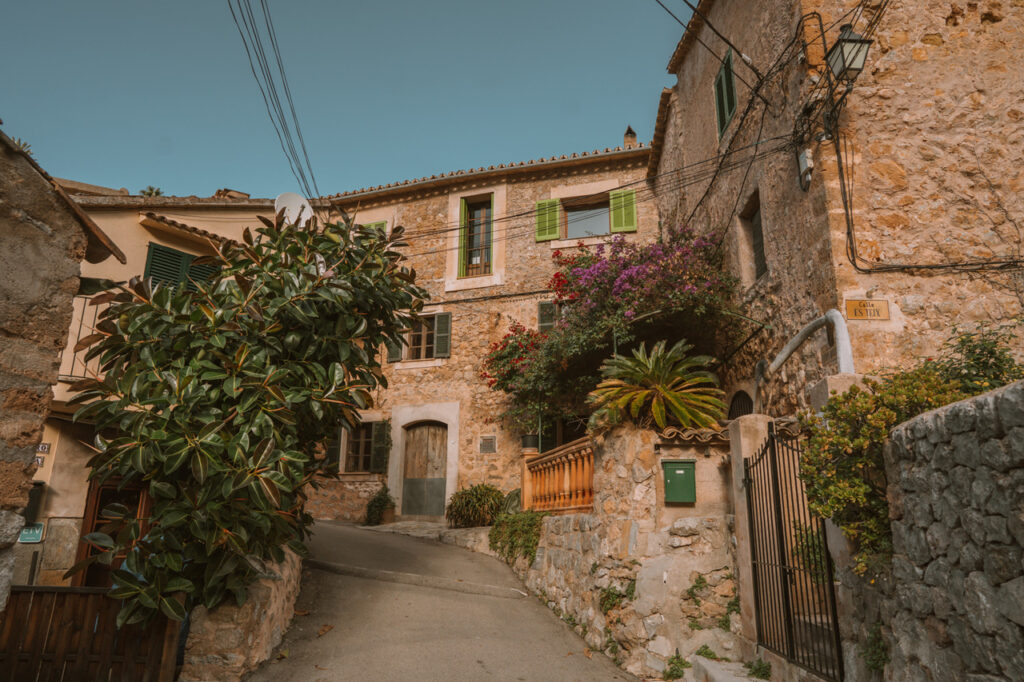
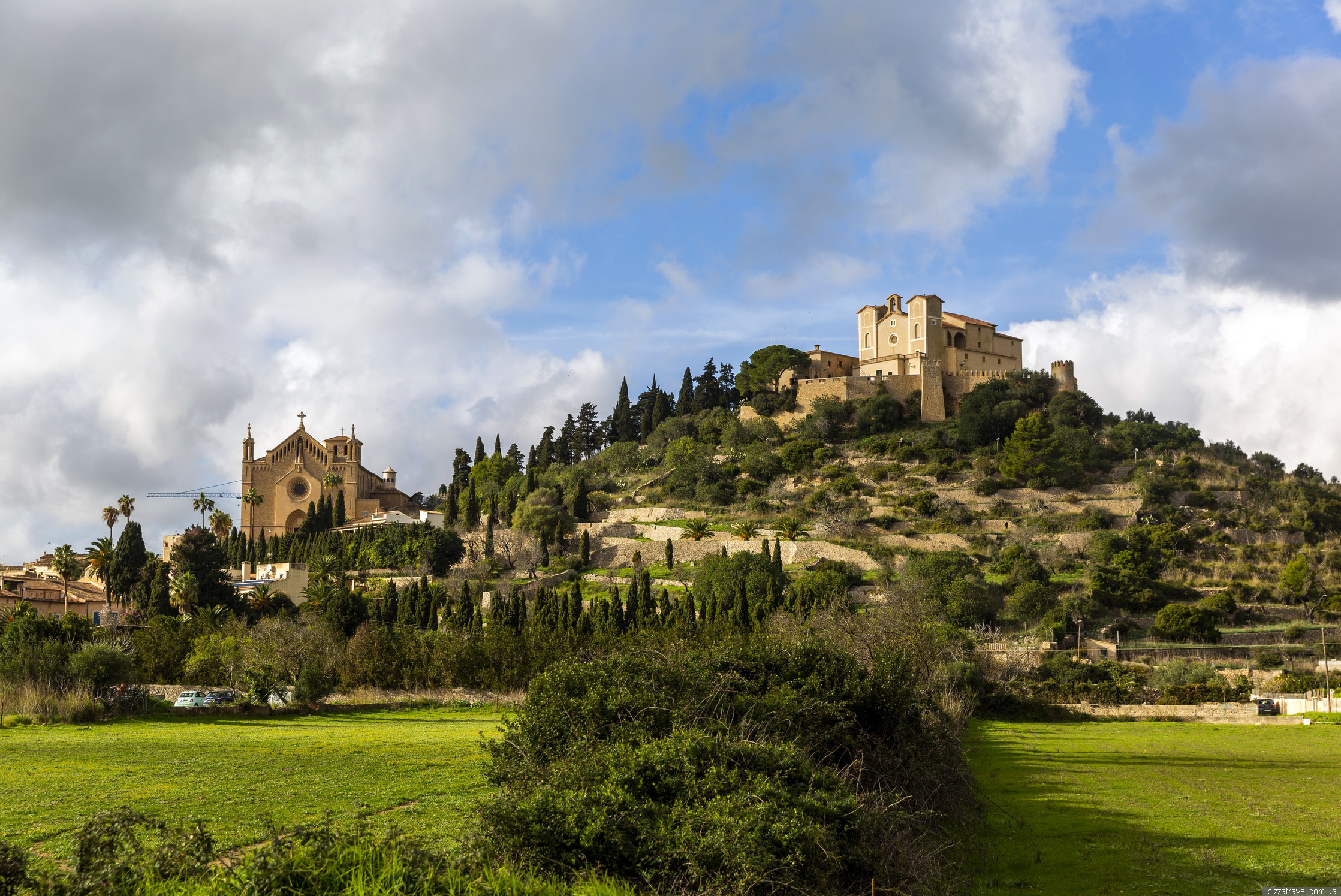
From the Tramuntana mountains and historic villages to its evolving culinary scene, boutique hotels, wellness retreats, and coastal landscapes, the island aligns naturally with many of the preferences shaping contemporary Gulf travel.
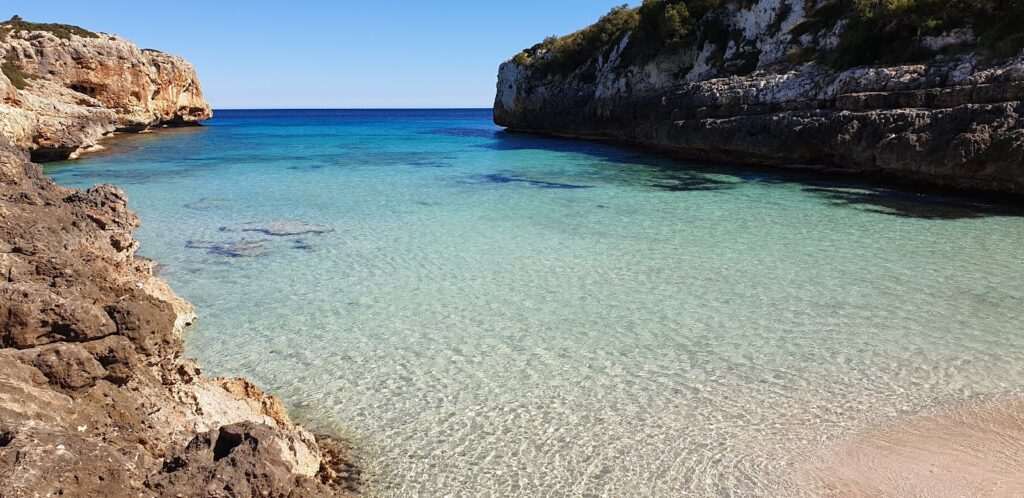
Unlike many Mediterranean destinations, Mallorca offers remarkable diversity within a relatively compact geography. A visitor can spend the morning exploring the galleries and restaurants of Palma, the afternoon among the peaks and villages of the Tramuntana mountains, and the evening overlooking a secluded cove on the southeast coast.
Few destinations allow travellers to experience such contrasting landscapes, lifestyles, and rhythms within a single stay. It is this variety that has become one of Mallorca's greatest strengths, appealing to travellers who seek both discovery and a genuine sense of place.
As interest in multi-location stays continues to grow, the island is particularly well positioned to meet this demand. Rather than experiencing Mallorca from a single base, visitors can immerse themselves in its many distinct identities, gaining a deeper appreciation of the island and the communities that shape it.
Opportunities for Hospitality
For Mallorca's hospitality sector, the significance of the new route extends beyond visitor numbers. It creates an opportunity to introduce the island to a new audience at a time when travellers are increasingly seeking experiences rather than simply destinations.
Independent hotels, luxury villas, wellness retreats, destination experiences, and lifestyle-led hospitality brands may be particularly well positioned to benefit. Travellers from the Gulf often place a high value on authenticity, personalised service, privacy, and meaningful experiences—qualities that many of Mallorca's most distinctive properties already offer in abundance.
The new connection also reinforces Mallorca's evolution from a seasonal holiday destination to a sophisticated Mediterranean lifestyle destination. As the island continues to attract travellers drawn by culture, gastronomy, nature, wellness, and design, improved accessibility can help broaden awareness among audiences who may have previously looked elsewhere in Europe.
For hospitality businesses willing to tell a richer story about the island, the opportunity extends beyond occupancy. It is an opportunity to introduce a new audience to the many faces of Mallorca.
Looking Ahead
Whether the service ultimately evolves into a long-term year-round connection remains to be seen. What is already clear, however, is that Mallorca has gained something valuable: a direct introduction to one of the world's most important travel markets.
For an island that continues to redefine itself through quality, culture, gastronomy, and lifestyle, that visibility may prove just as important as the flight itself.
The aircraft arriving from Abu Dhabi carries more than passengers.
It carries opportunity.
Route at a Glance
- Direct Abu Dhabi (AUH) – Palma de Mallorca (PMI)
- Three weekly flights during the summer season
- Flight time: approximately 6 hours 30 minutes
- Operated by Etihad Airways on the Airbus A321LR
- For schedules and reservations, visit Etihad Airways
Author

Latest from the Blog


Latest Accommodations


Latest Experiences


Leave a Reply